NICARAGUA EXPAT: Your Complete Guide to Moving, Living, and Thriving in Nicaragua
- 0 comments
- 45 minutes ago
-

Why Move to Nicaragua as an Expat?
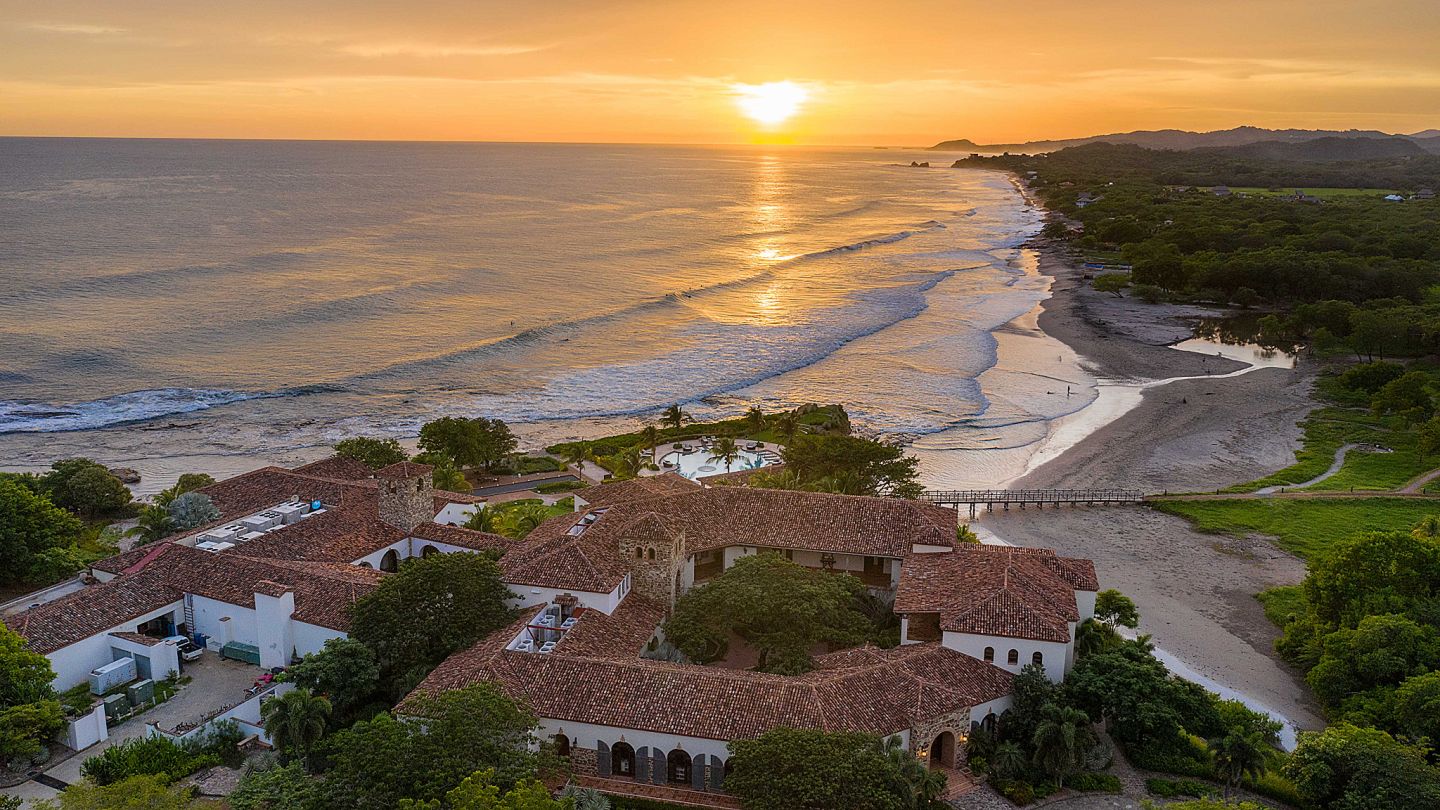
Becoming a Nicaragua expat is more than just a lifestyle change. It’s an opportunity to embrace affordable living, a warm tropical climate, and a culture that blends vibrant traditions with a laid-back daily rhythm. If you’re considering moving abroad, Nicaragua consistently stands out as one of the top destinations for expats in Central America for several reasons.
1️⃣ Affordable Cost of Living
Nicaragua offers one of the lowest costs of living in the Western Hemisphere while maintaining a high quality of life for expats. According to International Living, couples report living comfortably on $1,200–$1,800 per month, covering rent, groceries, utilities, healthcare, and entertainment.
Here is a sample monthly budget for a Nicaragua expat living in Granada or León:
| Expense | Estimated Monthly Cost (USD) |
|---|---|
| Rent (furnished 2BR) | $400 – $600 |
| Groceries | $200 – $300 |
| Utilities & Internet | $60 – $100 |
| Healthcare | $50 – $100 |
| Transportation | $30 – $60 |
| Dining & Leisure | $100 – $200 |
| Total | $840 – $1,360 |
2️⃣ Warm Climate and Natural Beauty
Living in Nicaragua means sun-drenched days nearly year-round, with average daytime temperatures between 77°F and 86°F (25°C–30°C). Expats enjoy easy access to:
- Pristine beaches like San Juan del Sur for surfing and sunsets.
- Lush volcanoes and nature reserves like Mombacho and Masaya.
- Tranquil lakes such as Lake Nicaragua and the Apoyo Lagoon.
- Coffee farms and hiking trails in the northern highlands.
Quote: “I wake up each day to the sound of tropical birds and the sight of Lake Nicaragua from my porch. It’s a constant reminder that I made the right choice moving here.” – Sarah M., Granada expat
3️⃣ Vibrant Culture and Friendly Locals
Nicaraguans are known for their warm hospitality and community-oriented culture. You’ll find yourself welcomed into neighborhood gatherings, local fiestas, and conversations with your neighbors, even if your Spanish is still developing. This openness creates a sense of belonging, allowing expats to integrate while maintaining a comfortable balance with local life.
4️⃣ Thriving Nicaragua Expat Communities
Whether you choose Granada’s colonial charm, San Juan del Sur’s surf culture, or León’s artistic energy, you will find active expat networks offering:
- Weekly social meetups.
- Volunteer opportunities and community projects.
- Local businesses owned by expats, including yoga studios, cafes, and co-working spaces.
Websites like Rancho Santana’s Living in Nicaragua Guide and Life in Nica’s Expat Challenges provide firsthand insights into building community as a Nicaragua expat.
5️⃣ Fresh, Healthy Food Options
Local markets offer fresh fruits, vegetables, and seafood at very affordable prices, enabling expats to maintain a healthy diet easily. Popular produce includes mangoes, papayas, pineapples, avocados, and plantains, alongside fresh fish caught daily along the Pacific coast.
6️⃣ Simplified Lifestyle and Slower Pace
One of the biggest draws of becoming a Nicaragua expat is the slower, less stressful pace of life. Many expats note how they’ve transitioned from high-stress work environments to a lifestyle where days are spent enjoying outdoor activities, community events, or simply relaxing on a hammock with a view of the mountains.
Key Takeaways
✅ Nicaragua offers affordable, high-quality living for retirees, digital nomads, and families.
✅ The warm climate and natural beauty create an enriching environment for outdoor lovers.
✅ Expats can integrate with a vibrant culture while enjoying an active social community.
✅ The slow pace of life reduces stress, allowing you to focus on what matters.
Is Nicaragua Safe for Expats?
Safety is one of the first concerns many have before becoming a Nicaragua expat. The truth is, like any country, Nicaragua has areas that require caution, but many expats live safely and comfortably with proper awareness and preparation.
Current Nicaragua Safety Overview
Nicaragua has a low cost of living, beautiful nature, and a growing expat community, but it’s also experienced political instability and protests in the past. According to the U.S. State Department, Nicaragua is currently at Level 3 (Reconsider Travel), mainly due to limited healthcare in rural areas and periodic political demonstrations.
However, most daily life for expats in cities like Granada, San Juan del Sur, and León is calm and safe, with expats reporting feeling secure while taking normal precautions.
Safest Cities in Nicaragua for Expat
Expats consistently choose these cities for their welcoming communities, infrastructure, and safety:
✅ Granada: Colonial architecture, lakeside living, active expat community.
✅ San Juan del Sur: Surf culture, social expat network, beach town lifestyle.
✅ León: Vibrant university city, culture-rich, with affordable living.
✅ Ometepe: Rural, nature-rich island with a small, close-knit expat community.
Here’s a quick comparison:
| City | Safety for Expats | Expat Community | Healthcare Access |
|---|---|---|---|
| Granada | High | Large, active | Good (private clinics) |
| San Juan del Sur | Moderate | Large, active | Moderate (nearby Rivas clinics) |
| León | High | Moderate | Good (hospital and clinics) |
| Ometepe | Moderate | Small, tight-knit | Limited, needs mainland for major care |
Healthcare and Emergency Options
Access to healthcare in Nicaragua is affordable, with private clinics and hospitals available in major cities like Managua, Granada, and León. For serious conditions, many expats opt to travel to Managua or Costa Rica for advanced care. Rancho Santana’s Guide notes that even private consultations can cost as low as $20–$40 per visit.
Emergency services are limited in rural areas, so expats often purchase international health insurance to access private facilities during emergencies.
Safety Tips for Living in Nicaragua as an Expat
While many Nicaragua expats live comfortably, it is wise to follow these practical safety tips:
- Stay updated: Monitor local news and community expat groups on Facebook for situational updates.
- Avoid demonstrations: Political protests can arise with little warning; steer clear of large gatherings.
- Use reliable transport: Avoid late-night travel in rural areas. Use reputable taxis or rideshare apps where available.
- Secure your home: Lock doors and windows, especially if you travel frequently.
- Respect local customs: Building respectful relationships with neighbors enhances your safety and social integration.
- Have an emergency plan: Know where the nearest hospital is and keep emergency contacts saved.
Community Insights: What Expats Say About Safety
“We feel safe in Granada walking around day and night, but we always stay aware of our surroundings and avoid political protests.” – Emily & Tom, expats in Granada
“In San Juan del Sur, the community watches out for each other, and we’ve never had safety issues, just normal travel awareness.” – Carlos R., expat surfer
These testimonials align with observations in Life in Nica’s Expat Experiences, where expats emphasize the importance of community and local connection to maintain safety.
Key Takeaways
✅ Nicaragua is safe for expats who take reasonable precautions.
✅ Major expat cities like Granada, León, and San Juan del Sur are considered safe.
✅ Avoid political gatherings and stay aware of your surroundings.
✅ Access to healthcare is available and affordable in urban areas.
Cost of Living in Nicaragua for Expats
Understanding the cost of living as a Nicaragua expat is key to planning your move and ensuring your lifestyle matches your budget. Nicaragua remains one of Latin America’s most affordable countries, making it attractive for retirees, remote workers, and families seeking a slower, fulfilling lifestyle without draining savings.
Average Monthly Expenses for a Nicaragua Expa
Below is a detailed breakdown of average monthly expenses for a single expat living in cities like Granada, León, or San Juan del Sur:
| Category | Estimated Monthly Cost (USD) |
|---|---|
| Rent (1-2 BR furnished) | $350 – $600 |
| Utilities (Electricity, Water, Gas) | $50 – $100 |
| High-speed Internet | $30 – $60 |
| Groceries & Market Shopping | $200 – $300 |
| Transportation (Bus, Moto, Taxi) | $30 – $60 |
| Healthcare (Routine, Insurance) | $50 – $100 |
| Dining Out & Leisure | $100 – $200 |
| Total Estimated Range | $810 – $1,420 |
These estimates align with real-life expat reports shared in International Living’s Nicaragua Guide.
Rent and Housing Cost
Housing costs will be your biggest expense, but even this remains affordable:
- Granada: Colonial homes with courtyards and fully furnished apartments range from $350–$600/month, depending on location and amenities.
- San Juan del Sur: Beachfront rentals or hillside homes with ocean views may range from $400–$800/month, with cheaper options inland.
- León: Known for affordability, many expats find comfortable rentals between $300–$500/month.
Utilities typically cost less than $100 monthly, though air-conditioning can increase electricity bills.
Groceries and Food
Buying local products at markets is cost-effective. Fresh fruits, vegetables, and seafood are abundant and affordable:
- Dozen eggs: $1.50
- 1 kg chicken: $2.50
- Local fruits (papaya, mango, pineapple): $0.50–$1 each
- Freshly caught fish: $3–$5 per kg
Dining out is budget-friendly, with local meals costing $3–$5, and upscale expat-oriented restaurants averaging $10–$15 per dish.
Healthcare and Insuranc
Healthcare in Nicaragua is affordable, with many expats paying $20–$40 for private doctor visits. Dental care and specialist services are also affordable compared to North America.
Expats often purchase global health insurance for major emergencies or international care. Providers like Cigna Global and IMG offer plans starting at $80–$200/month depending on age and coverage.
For a practical perspective on healthcare and safety, Rancho Santana’s Living in Nicaragua Guide offers firsthand information on expat health experiences.
Transportation
Most expats rely on:
✅ Walking: Ideal in pedestrian-friendly Granada and León.
✅ Buses: $0.25–$1 per ride for local travel.
✅ Taxis: $1–$3 within cities.
✅ Owning a Vehicle: Useful for exploring beaches and rural areas. Used cars start around $5,000–$8,000.
Cost Comparison with the United States
On average, expats report saving 40–60% compared to living in the United States, with many achieving a comfortable lifestyle on $1,200–$1,800/month including occasional travel within the country.
Sample Budget for a Nicaragua Expat Couple
| Expense | Monthly Cost (USD) |
|---|---|
| Rent (furnished home) | $500 |
| Utilities & Internet | $100 |
| Groceries | $300 |
| Dining & Entertainment | $200 |
| Transportation | $60 |
| Healthcare | $100 |
| Miscellaneous | $150 |
| Total | $1,410 |
Living Comfortably Without Overspending
The key to a comfortable Nicaragua expat lifestyle is balancing local practices with your personal preferences:
✅ Shop at local markets instead of supermarkets for produce.
✅ Use ceiling fans to reduce electricity costs.
✅ Walk or use local transport for daily errands.
✅ Learn basic Spanish to negotiate better prices in markets.
✅ Consider shared housing or smaller spaces for lower rent.
For a deeper look at lifestyle and hidden costs, see Life in Nica’s guide on expat challenges and benefits.
Key Takeaways
✅ Nicaragua offers a high quality of life at a fraction of U.S. or European costs.
✅ Housing, food, and healthcare are all affordable, allowing flexibility in lifestyle choices.
✅ A comfortable budget for singles ranges from $900–$1,400/month, while couples may budget $1,200–$1,800/month depending on lifestyle.
✅ Local practices and community integration help keep costs low while enriching your expat experience.